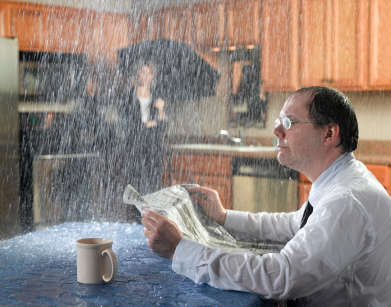
1. Fiery
adjective
\ˈfī(-ə)-rē\
consisting of fire
The Fiery room was very hot.
Middle English, from
fire, fier fire

2. Mausoleum
noun
\ˌmȯ-sə-ˈlē-əm, ˌmȯ-zə-\
A large tomb; especially : a usually stone building with places for entombment of the dead above ground
My relatives are buried in a mausoleum.
Middle English, from Latin, from Greek
mausōleion, from
Mausōlos Mausolus died
ab 353
b.c., ruler of Caria

3. Pulverize
verb
\ˈpəl-və-ˌrīz\
To reduce (as by crushing, beating, or grinding) to very small particles
The US pulverized Hiroshima during WWII.
Middle English, from Late Latin pulverizare, from Latin pulver-, pulvis dust, powder

4. Stratum
noun
\ˈstrā-təm, ˈstra-\
A bed or layer artificially made
The lower strata of society have been hit especially hard by this economic downturn
New Latin, from Latin, spread, bed, from neuter of
stratus, past participle of
sternere to spread out

5. Cataract
noun
\ˈka-tə-ˌrakt\
A clouding of the lens of the eye or of its surrounding transparent membrane that obstructs the passage of light.
My grandma had to get surgery for the cataract on her eye.
Latin
cataracta waterfall, portcullis, from Greek
kataraktēs, from
katarassein to dash down, from
kata- +
arassein to strike, dash

6. Olfactory
adjective
\äl-ˈfak-t(ə-)rē, ōl-\
Of or relating to the sense of smell.
The bakery was an olfactory place.
Latin olfactorius, from olfacere to smell, from olēre to smell + facere to do

7. Proclivity
noun
\prō-ˈkli-və-tē\
An inclination or predisposition toward something.
Her proclivity for gymnastics showed up at an early age.
Latin proclivitas, from proclivis sloping, prone, from pro- forward + clivus slope

8. Odious
adjective
\ˈō-dē-əs\
Arousing or deserving hatred
Steven posted an odious picture of me on instagram.
Middle English, from Anglo-French, from Latin odiosus, from odium

9. Abyss
noun
\ə-ˈbis, a- also ˈa-(ˌ)bis\
The bottomless gulf, pit, or chaos of the old cosmogonies
Looking down at the deep abyss I was afraid of falling.
Middle English abissus, from Late Latin abyssus, from Greek abyssos, from abyssos, adjective, bottomless, from a- + byssos depth; perhaps akin to Greek bathys deep

10. Centrifuge
noun
\ˈsen-trə-ˌfyüj\
A machine using centrifugal force for separating substances of different densities, for removing moisture, or for simulating gravitational effects
A science student would enjoy veiwing centrifuge.
French, from centrifuge centrifugal, from New Latin centrifugus

11. Cacophony
noun
\ka-ˈkä-fə-nē, -ˈkȯ- also -ˈka-\
Harsh or discordant sound
The large dog added to cacophony on the streets.
First Known Use: circa 1656

12. Cartographer
noun
\kär-ˈtä-grə-fər\
One that makes maps
The cartographer was essintial in she ships navigation.
circa 1847

13. Quibble
verb
\ˈkwi-bəl\
To evade the point of an argument by caviling about words
Joe quibbled as he was losing the argyment.
1656

14. Bestial
adjective
\ˈbes-chəl, ˈbesh-, ˈbēs-, ˈbēsh-\
Lacking intelligence or reason
The argument I had with Trevor was extremly bestial.
Middle English, from Middle French, from Latin
bestialis, from
bestia beast

15. Tactile
adjective
\ˈtak-təl, -ˌtī(-ə)l\
Of, relating to, or being the sense of touch
The prickly bush was very tactle.
French or Latin; French, from Latin
tactilis, from
tangere to touch

16. Stolid
adjective
\ˈstä-ləd\
Having or expressing little or no sensibility
The butler held a stolid gaze while serving gests.
Latin
stolidus dull, stupid

17. Abruptly
adjective
\ə-ˈbrəpt\
Characterized by or involving action or change without preparation or warning
The train came to an abrupt stop.
Latin abruptus, from past participle of abrumpere to break off, from ab- + rumpere to break

18. Scurry
intransitive verb
\ˈskər-ē, ˈskə-rē\
To move in or as if in a brisk pace
I scurry to class so I am not late.
short for hurry-scurry, reduplication of hurry

19. Cog
noun
\ˈkäg\
A subordinate but integral person or part
The girl was teh cog in the group.
Middle English
cogge, of Scandinavian origin; akin to Swedish
kugge cog

20. Capillary
adjective
\ˈka-pə-ˌler-ē, -ˌle-rē,
involving, held by, or resulting from surface tension
Capilary action kept the thing floating.
French or Latin; French
capillaire, from Latin
capillaris, from
capillus hair